
How Unstructured Play After School Builds Skills Homework Can't

Amanda
Homework teaches a child how to find the right answer. Unstructured play teaches them everything else, creativity, confidence, and how to work through a disagreement on their own. Here is why those unscheduled afternoon hours matter just as much as the ones spent at a desk.
There is a particular kind of quiet that falls over a house around 4pm. Backpacks are dropped. Shoes come off. And somewhere between snack time and dinner, a lot of us reach for the same question without even realizing it.
Did they finish their homework?
It is a fair question. But if you have ever watched your child build an entire imaginary world out of couch cushions, or negotiate the rules of a made up game with the neighborhood kids until everyone finally agrees, you already know something that research is only now catching up to.
Some of the most important learning your child does all day happens when nobody is teaching them anything at all.
What We Mean by Unstructured Play
Unstructured play is play without a script. No worksheet, no coach blowing a whistle, no adult standing over a shoulder correcting the next move. It is a child deciding what to build, what game to invent, who gets to be the dragon and who gets to be the knight, and what happens when two kids disagree about the rules.
It looks like nothing much is happening. In truth, a lot is.
What After School Programs Actually Are
Before we go further, it helps to be clear about what an after school program even is. At its simplest, an after school program is care and enrichment for kids in the hours between the school bell and when parents get home from work. Some are run through schools. Many are run by independent providers such as sports clubs, art studios, coding schools, music teachers, or nature based camps.
The best ones are not just childcare with a name tag. They are a second classroom, a social laboratory, and sometimes the only unstructured hours a child gets all day. Whether that time is spent on a soccer field, in an art room, or simply playing tag in a gym, it is where a lot of quiet growth happens.
The Skills That Grow in the Gaps
Homework teaches a child how to follow instructions, practice a concept, and arrive at a correct answer. That matters. But there is a whole set of skills that only grow when a child is left alone with a problem nobody assigned.
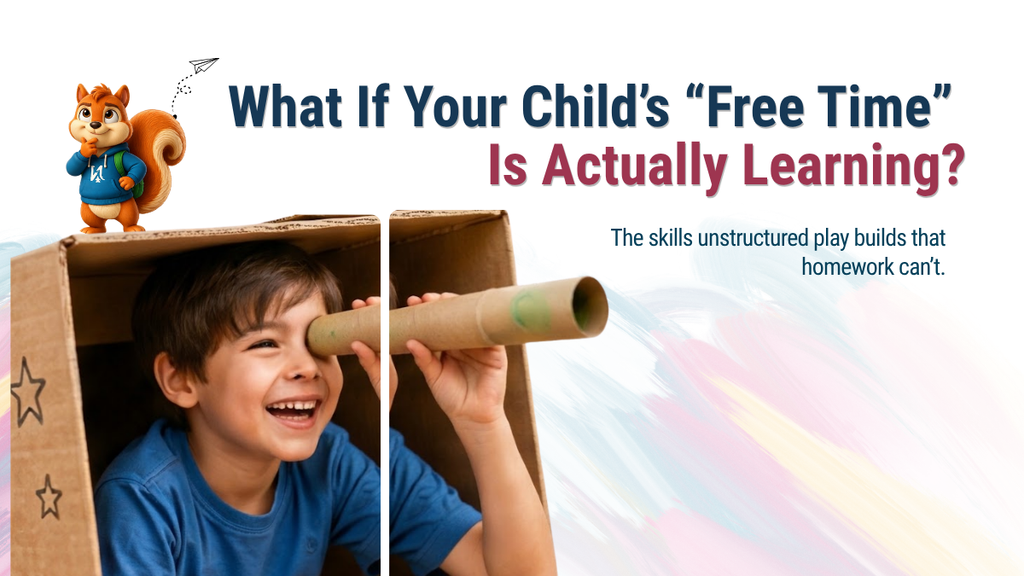
Creativity without a rubric. When there is no right answer, kids have to invent one. A cardboard box becomes a spaceship. A game of tag turns into a full mythology with rules only the players understand. This is the same muscle that later shows up as original thinking, problem solving, and the courage to try an idea that might not work.
Conflict resolution in real time. Unstructured play is full of small disputes. Whose turn is it. Is that fair. Can we change the rule. With no adult refereeing every decision, kids practice negotiation, compromise, and how to keep playing with someone even after a disagreement. That is a life skill no worksheet can teach.
Emotional regulation. Losing a made up game still stings. Being left out of a group still hurts. Working through those feelings in the moment, without an adult stepping in to fix it, builds resilience that shows up later in much bigger challenges.
Confidence that comes from choosing. Every time a child decides what to play and how to play it, they are practicing agency. They are learning that their ideas are worth acting on. That confidence carries into the classroom, into friendships, and eventually into adulthood.
Why This Gets Squeezed Out
Most families are not choosing to skip play. The day simply does not leave much room for it. School, homework, dinner, bath, bed. Somewhere in that sequence, the open, unscheduled hour that used to exist between the last bell and dinnertime has quietly disappeared for a lot of kids.
This is not a call to cancel homework or drop every activity. It is a nudge to protect a small window of time where a child gets to just play, without an outcome attached.
Where a Good After School Program Fits In
This is exactly where a thoughtful after school program can help, especially one that understands play is not a break from learning, it is a form of it.
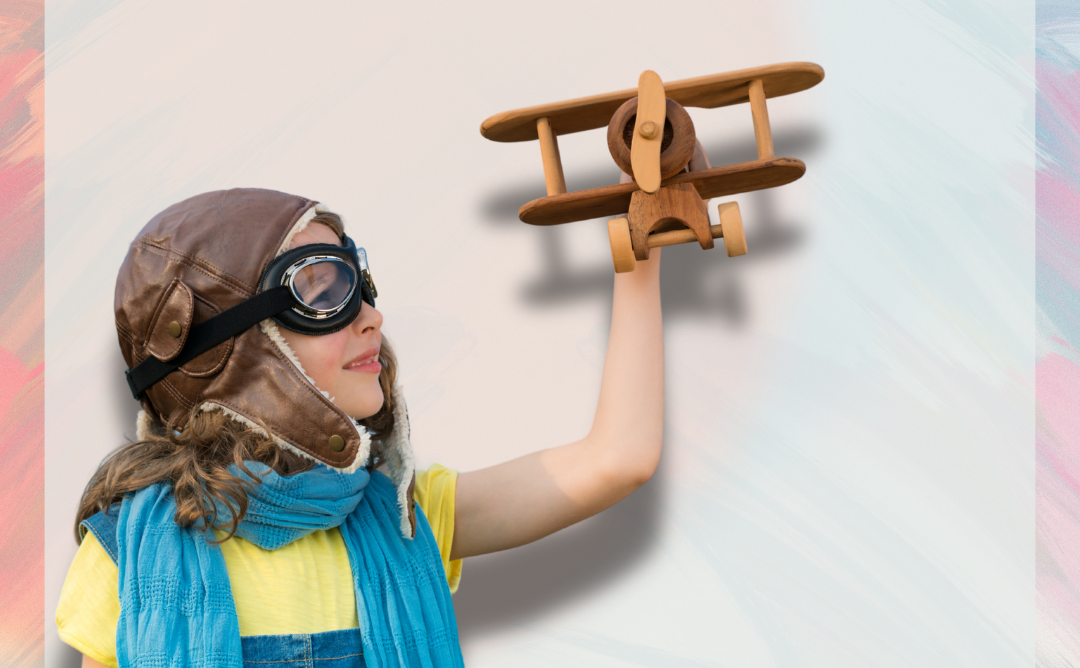
Look for programs that build in real free time, not just a tightly scheduled rotation of activities. Ask providers how much of the day is open ended versus instructor led. A program that leaves room for kids to invent their own games, build their own projects, and work out their own social dynamics is doing something homework simply cannot replicate. If you are not sure what else to ask before you decide, here is a full list of questions worth asking any provider before you commit.
At Neelcamp, we connect families with providers who understand this balance, programs that offer enrichment and structure where it counts, and genuine breathing room where it matters just as much. Because the goal was never to fill every hour. It was to give your child the right hours, spent the right way.
A Small Permission Slip
If your child comes home and asks for twenty minutes to just play before homework starts, that is not procrastination. That is a request for something they need.
You do not have to choose between homework and play. You just have to make sure both get a seat at the table.
Because somewhere in that unscripted hour, between the couch cushion fort and the invented rules of a backyard game, your child is building something no assignment ever could.
Frequently Asked Questions
Published on: Aug 24, 2026 11:18 AM
Views: 487