
Letting Go a Little: What After School Program Teaches Parents About Independence

Amanda
Every parent knows the moment at pickup, that split second scan to make sure everything went okay before a single word has even been said. It's a familiar feeling in the first weeks of any after school program, and it usually fades faster than parents expect. This post looks at what actually happens when kids get a little more room to move through their afternoon without a parent right there watching every step. The snack packed without being asked. The disagreement worked out without anyone stepping in. The stories that come home unprompted. It turns out the growth that comes out of those small moments isn't just the child's. Parents learn to trust a little more too, and that shift often changes how the whole relationship feels, long after pickup.
There's a moment almost every parent knows. You pull up for pickup, and for just a second, before your child even reaches the car, you're scanning. Checking. Making sure everything is okay before a single word has been said.
It's a familiar feeling for most families in the first week of an after school program. The drop off is usually calm enough. But that first pickup is when the real question shows up on a parent's face: was (s)he okay without me?
Here's what tends to happen, more often than parents expect. That question usually answers itself, and it usually answers itself in ways that quietly change how a parent sees their child.
The Program Is for the Kids. The Lesson Often Belongs to the Parents
Most families sign up thinking about logistics. Who will watch their child between school ending and the workday ending. What will keep them safe, occupied, maybe even a little bit happy in the meantime. Very few parents walk in thinking about what the experience will teach them.
But that's exactly what tends to happen.
Kids in a good after school program start packing their own snack bags without being asked twice. They figure out, without a parent standing over them, that if they forget a water bottle, someone will help them find one, or they'll go without for twenty minutes and remember next time. None of this is written into a curriculum. It happens simply because a caring adult who isn't Mom or Dad is nearby, and that's often all it takes for a child to try things on their own first.
Parents notice the shift too, even if they don't always name it right away. They stop hovering, not because they've decided to, but because the structure around their child makes hovering unnecessary. That's usually how letting go actually happens. It isn't a decision made over coffee one morning. It's something that gets easier in small, unplanned moments, week after week.
Why It's Harder for Parents Than for Kids
Here's something worth remembering, because it's true more often than not: your child will usually be ready for independence before you are ready to give it to them.
Kids are built to explore. They stumble, figure it out, get back up, and rarely spend as much time dwelling on it as we imagine they will. It's the parents who replay the day on the drive home. Did she eat enough? Did he make a friend today? Was everyone okay when the group split up for activities?
A good after school program doesn't erase those worries. But it offers something steadier, small proof, delivered day after day, that a child can handle more than a parent might assume. A child comes home describing a craft they made without any advance plan from a parent. Another mentions, almost as an afterthought, that they worked out an argument over whose turn it was on the swings. These stories aren't dramatic. They aren't meant to be. But over weeks and months, they add up to something a parent can actually trust.
Small Moments That Build Trust
Independence rarely shows up all at once. It tends to arrive in pieces, usually smaller than parents expect.
Making choices without a parent in the room. Whether to join the board game group or head outside for a game. Whether to ask an adult for help or try one more time first. Nobody is asking a six or nine year old to make life-altering decisions, but they're making dozens of small ones every afternoon, and each one builds a little confidence.
Handling a rough moment without immediate rescue. A disagreement with a friend. A few minutes of feeling left out of a game. In the past, a parent might have stepped in right away. In a good program, a caring adult is nearby but gives a child room to sit with the discomfort a little longer than a parent instinctively would. That discomfort, as uncomfortable as it is to picture from the outside, is often exactly where growth happens.
Coming home with their own stories. Not stories pieced together secondhand. Stories a child chooses to share, in their own words, because they lived them without a parent narrating every step in real time.
What Changes for Parents
Many parents come to realize they used to believe being a good parent meant being available for every question, every scraped knee, every small crisis, all the time. What an after school program tends to reveal is that being available for everything isn't always the same as being helpful.
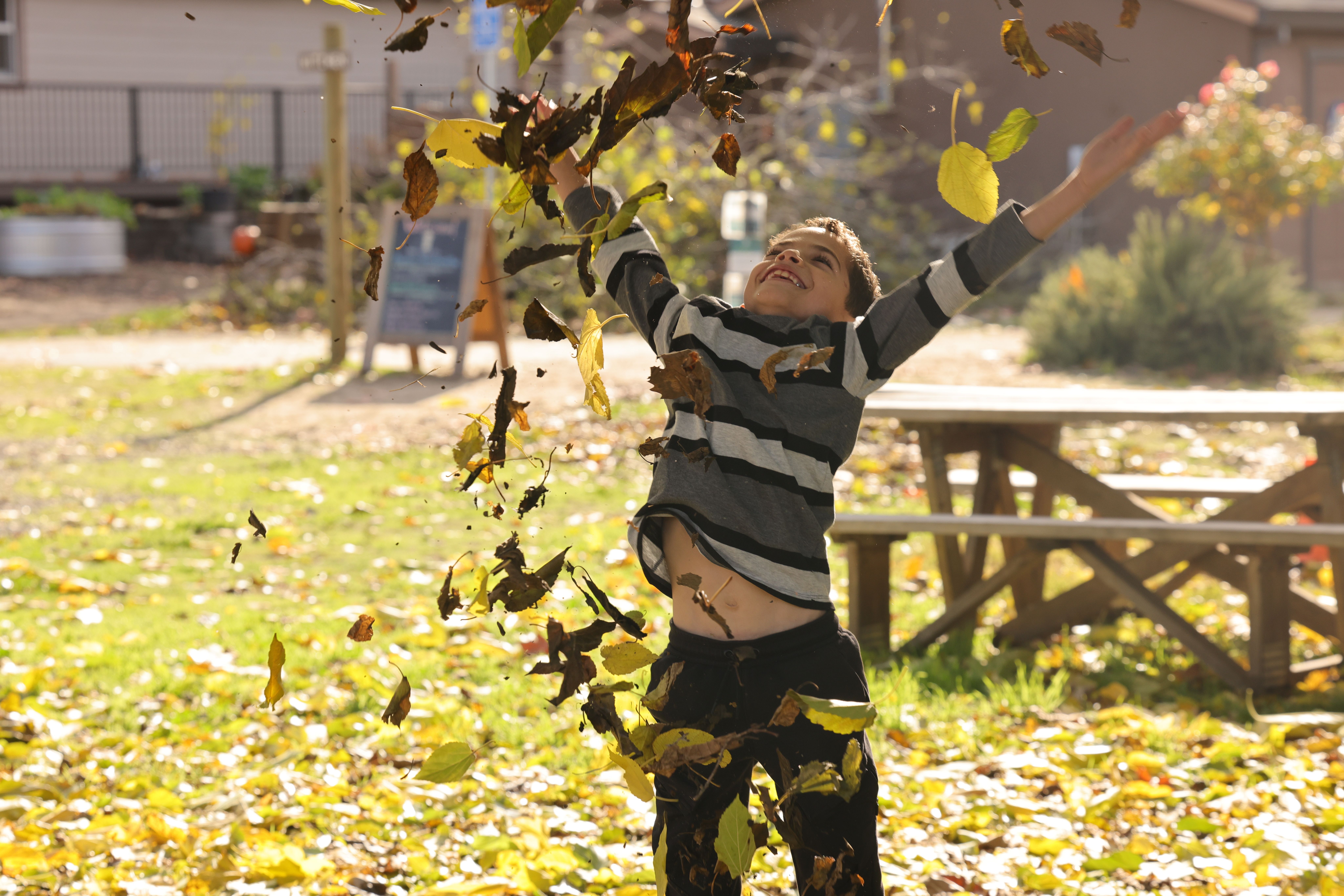
Some of the best moments in a child's week happen while a parent isn't there. A child learns how to ask an adult they don't know well for help finding a missing jacket. A child figures out that when joining a new group activity, sometimes you just jump in and learn the rules as you go. These aren't lessons that come from sitting across the kitchen table. They need a little bit of independent space to take root.
That doesn't mean the worry disappears for parents. It just changes shape. Parents stop needing constant updates and start trusting the structure around their child instead, the caring staff, the steady routine, the other kids figuring things out right alongside theirs.
Letting Go Doesn't Mean Stepping Back Completely
None of this is about a parent stepping away or independence meaning distance. A good after school program works like a bridge, not a substitute. It's a safe, supervised space where kids get small, manageable doses of independence, with caring adults close enough to step in when it's truly needed, but far enough back to let a child try things on their own first.
Parents are still the person their child runs to when the day is done. Still the one they tell everything to on the ride home, or the one they save the best part of their day for, right before bed. Letting go a little doesn't mean loving a little less. It means trusting a little more, both in the child and in the people chosen to help guide them alongside their family.
The Shift Parents Start to Notice
A few months into a good program, something in a parent starts to shift too. They still care just as much about how their child's day went. But they're not asking out of worry anymore. They already trust it went fine. There's something quietly wonderful about a child who walks out at the end of the day already talking, already full of stories, backpack half zipped, without needing a single question asked first.
That's what a good after school program tends to teach, more than anything else on the schedule. Not just a lesson in logistics, though it solves plenty of that too. It's a lesson in trust. Letting go a little, even when it feels hard at first, is one of the most caring things a parent can offer their child. It gives them room to grow into a little more of themselves, one ordinary afternoon at a time.
If you're exploring after school programs for your child, know that the growth often goes both ways. While kids build confidence, independence, and new friendships, many parents find they're learning something too.
Frequently Asked Questions
Published on: Jul 31, 2026 3:13 PM
Views: 375