
One Size Doesn’t Fit All: How to Choose Extracurricular Activities That Match Your Child’s Interests and Personality

Duncan MacNally
Every child has something that captures their attention. Some enjoy running around outdoors, while others prefer drawing, building things, reading, or spending time with music. Even among children of the same age, interests, abilities, and personalities can be remarkably different. This is why choosing extracurricular activities should not be about following trends or signing children up for whatever their friends are doing. It should be about finding opportunities that allow them to explore what they enjoy while developing new skills.
Extracurricular activities can introduce children to experiences they might not encounter in the classroom. They offer opportunities to build confidence, develop social skills, discover hidden talents, and learn how to manage responsibilities. However, the benefits are greatest when an activity matches a child's interests, personality, age, and everyday routine.
For parents, the challenge is knowing where to begin. With so many programs available, making the right choice requires a little observation, exploration, and flexibility.
Start by Understanding What Your Child Naturally Enjoys
Before looking through activity schedules or comparing local programs, pay attention to what your child already enjoys doing. Their everyday interests can provide useful clues about the types of extracurricular activities they may find exciting.
For example, a child who enjoys drawing, coloring, and making crafts might appreciate painting classes, pottery workshops, or other creative programs. A child who constantly asks questions, enjoys solving puzzles, or likes experimenting with different objects may be interested in science clubs, robotics, or coding activities.
Children who enjoy running, climbing, and playing outside may be more comfortable with sports, dance, gymnastics, or other movement-based activities. Meanwhile, those who prefer quieter environments might enjoy music lessons, reading groups, or individual creative projects.
Parents should also notice how children respond to different situations. Do they enjoy working with others, or do they prefer independent activities? Are they comfortable performing in front of an audience, or do they need more time to become confident?
These observations do not need to determine a child's future interests. They simply help parents identify a starting point when exploring available options.
Match Activities With Your Child's Personality

Interests are important, but personality also plays a significant role in determining whether a child enjoys an activity.
An outgoing child who loves meeting new people might enjoy team sports, drama clubs, group dance classes, or community activities. These environments provide opportunities to interact with others, communicate, and develop friendships.
A more reserved child might initially feel more comfortable with individual lessons or smaller groups. Activities such as painting, swimming, martial arts, or playing a musical instrument can provide structured learning environments without requiring constant social interaction.
This does not mean children should only participate in activities that match their existing personalities. Sometimes, an unfamiliar environment can help them develop confidence and discover abilities they did not know they had.
For instance, a shy child might gradually become more comfortable speaking in front of others after participating in a drama class. Similarly, a child who prefers independent play may discover the enjoyment of teamwork through a recreational sports program.
The important thing is to introduce new experiences without making children feel pressured to change who they are.
Explore Different Types of Extracurricular Programs
One of the easiest ways to identify suitable activities is to introduce children to different categories of programs. Rather than immediately committing to a particular class, parents can explore several possibilities and see which ones generate genuine interest.
Here are some popular categories worth considering.
Sports and Physical Activities
Sports and physical activities help children develop coordination, balance, strength, and an understanding of teamwork. Options include soccer, basketball, tennis, gymnastics, martial arts, dance, and swimming.
Some activities involve competition and team participation, while others focus on individual progress. Parents should consider which environment their child might enjoy.
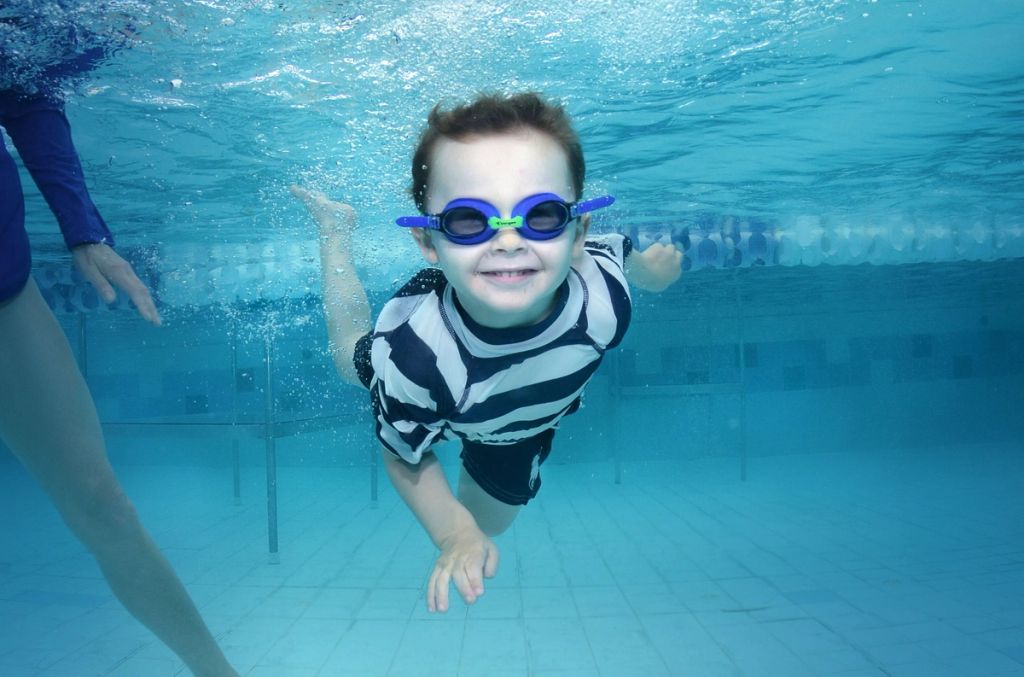
For example, learning to swim can help children develop water confidence, coordination, and important water-safety skills. Swimming programs also allow children to progress at their own pace, making them an option worth exploring for different age groups.
Creative and Artistic Programs
Children who enjoy expressing themselves through creativity may benefit from art, music, photography, pottery, or craft programs.
These activities encourage imagination, patience, and problem-solving. They also give children an opportunity to create something of their own without necessarily worrying about competition or performance.
Music lessons, for instance, can introduce children to rhythm, listening skills, and practice routines. Art classes allow them to experiment with colors, shapes, and different materials.
Academic and Technology-Based Activities
Some children enjoy activities that challenge their thinking and curiosity. Robotics clubs, coding classes, chess groups, science workshops, and mathematics clubs can provide opportunities to explore these interests.
These programs often involve practical projects that encourage children to ask questions, test ideas, and solve problems. They can be particularly appealing to children who enjoy discovering how things work.
Social and Community Activities
Not every extracurricular activity needs to involve sports, academics, or artistic development. Community projects, environmental clubs, drama groups, and gardening programs can also provide valuable experiences.
Such activities encourage cooperation, communication, responsibility, and awareness of the world around them. They can be especially enjoyable for children who like working with others and participating in shared projects.
Consider Your Child's Age and Developmental Stage
An activity that works well for a ten-year-old may not be appropriate for a preschooler. Children's physical abilities, attention spans, interests, and learning needs change as they grow.
For younger children, simple activities that involve movement, creativity, and exploration are often a good starting point. Shorter sessions, playful instruction, and opportunities to experiment can help them remain engaged.
Elementary-age children may be ready to explore more structured programs. They can begin developing specific skills, following instructions, participating in group activities, and understanding basic routines.
Older children may have clearer preferences and stronger opinions about how they want to spend their free time. They might enjoy advanced sports training, music lessons, technology programs, or activities connected to future interests.
Parents should always check the recommended age range for a program. It is also worth considering whether the instruction is suitable for beginners or designed for children with previous experience.
The goal is to find an activity that offers an appropriate level of challenge without overwhelming the child.
Give Children Opportunities to Try Something New
Children sometimes discover their interests through experiences they would never have chosen themselves. A child who has never shown an interest in music might enjoy a beginner's instrument class, while another who prefers indoor activities might discover a love for outdoor adventures.
Trying a new activity can be a useful way to expand a child's experiences and help them understand what they enjoy. However, parents should introduce unfamiliar opportunities gradually rather than expecting immediate enthusiasm.
A trial class, introductory workshop, or short-term program can help children understand what an activity involves before making a longer commitment.
Parents can also explore local community events, recreational centers, school clubs, and weekend workshops. These settings often provide opportunities to experience different activities without committing to a full season or lengthy course.
After each experience, ask simple questions:
- What did you enjoy most about the activity?
- Was there anything you found difficult or uncomfortable?
- Would you like to try it again?
- Did you enjoy working with the instructor and other children?
Their answers can help parents understand whether an activity is genuinely interesting or simply something they enjoyed once.
Look Beyond the Activity: Evaluate the Program Itself
Two programs offering the same activity can provide very different experiences. The instructor, teaching approach, class size, facilities, and overall environment can all influence how much a child enjoys participating.
Before enrolling, parents should research the available options and consider a few important factors.
Instructor experience: Look for instructors who understand how to work with children and can adjust their teaching methods according to different learning abilities.
Class size: Smaller groups may provide more individual attention, particularly for younger children or beginners who need additional guidance.
Learning environment: Visit the facility when possible. Check whether the space is clean, organized, age-appropriate, and suitable for the activity.
Program structure: Understand what children will learn, how sessions are organized, and whether the program focuses on recreation, skill development, or competition.
Safety arrangements: For physical activities, check equipment, supervision, emergency procedures, and any relevant safety requirements.
Reading reviews and speaking with other parents can also provide useful information. However, remember that a highly rated program is not automatically the right choice for every child.
Find an Activity That Fits Your Family's Schedule
Even an excellent program may become difficult to maintain if it does not fit into the family's everyday routine.
Between school hours, homework, family responsibilities, and rest, children already have several commitments. Adding too many extracurricular activities can leave them feeling tired and reduce the time they have for unstructured play.
Before enrolling, check the program's weekly schedule, session duration, location, and travel requirements. Consider whether weekday classes or weekend programs would work better for your family.
It is also helpful to think about how much time the activity requires outside scheduled sessions. Music lessons may involve regular practice at home, while some sports programs may require additional training or weekend competitions.
Start with one or two activities rather than filling every available afternoon. This gives children enough time to enjoy their interests without feeling that their entire day is organized around scheduled commitments.
Most importantly, protect time for relaxation, family interaction, and spontaneous play. Children need these experiences just as much as structured learning opportunities.
Allow Interests to Change Over Time
A child's interests at six may look completely different by the time they reach twelve. Something they once enjoyed might gradually become less interesting, while a new hobby could capture their attention.
This is a normal part of growing up. Parents should avoid treating extracurricular participation as a permanent commitment simply because they have already invested time or money in a program.
Instead, check in with children occasionally to understand how they feel about their activities. Are they still excited about attending classes? Do they feel they are learning something? Are they enjoying the experience, or has it started feeling like another school responsibility?
If their enthusiasm changes, consider whether a different class, instructor, or activity might be a better fit.
Children should also have opportunities to make decisions about their own schedules as they grow older. Allowing them to express preferences helps develop independence and teaches them to take responsibility for their choices.
Let Enjoyment Be Part of the Learning Process
The most valuable extracurricular activity is not necessarily the one that produces the best performer, fastest athlete, or most accomplished student. It is the one that gives a child an opportunity to explore, participate, and develop at a comfortable pace.
Some children will discover a passion that continues into adulthood. Others will enjoy an activity for a season before moving on to something different. Both experiences are worthwhile.
Parents can make the selection process easier by observing their children's interests, exploring different types of programs, checking age requirements, and considering practical scheduling needs. Trial sessions and conversations with instructors can further help families make informed decisions.
Ultimately, choosing extracurricular activities should be a collaborative process. When children have a voice in deciding how they spend their free time, they are more likely to approach new experiences with curiosity and enthusiasm.
There is no universal formula for finding the perfect activity. The right choice is the one that gives each child room to discover what they enjoy, build confidence, develop useful skills, and have fun along the way.
Frequently Asked Questions
Published on: Nov 23, 2026 7:00 AM
Views: 850