Kids Brazilian Jiu-Jitsu
About This Camp
Overview
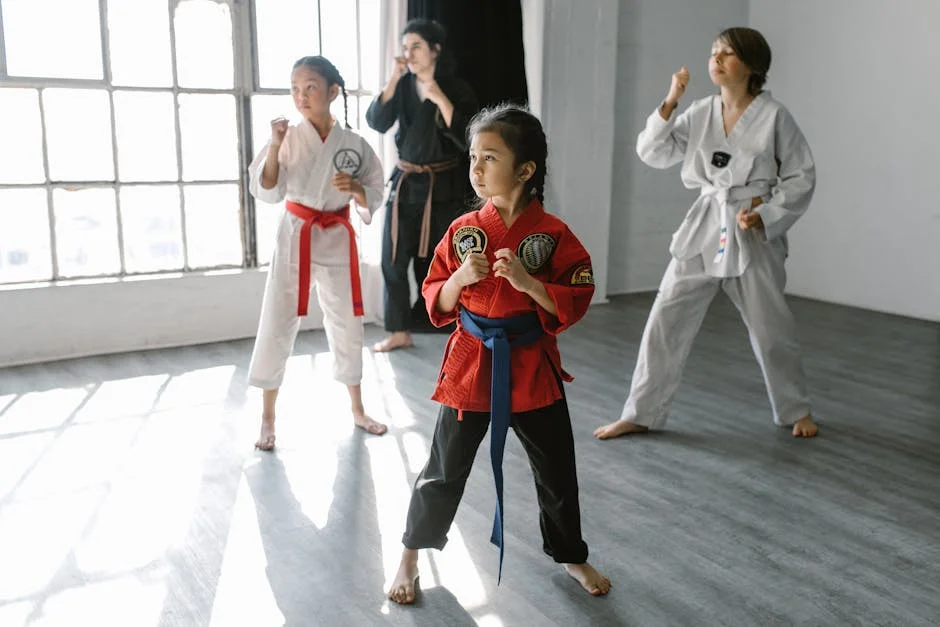
If you're interested in introducing discipline, confidence and athleticism to your child, DMA's Kids BJJ program is a great choice. Kids will learn to be a part of a team, listening and respecting their coaches, and how to defend themselves.
Brazilian Jiu‑Jitsu (BJJ) is a martial art that emphasizes technique and leverage, making it ideal for children. It teaches them how to defend themselves without relying on strength, fostering self‑confidence and problem‑solving skills. BJJ is also a fantastic way for kids to stay active, improve coordination, and build a healthy lifestyle.
- Expert Instructors: Our experienced instructors are passionate about working with children and are dedicated to providing a safe and supportive learning environment.
- Character Building: Beyond the physical benefits, our program focuses on instilling values such as respect, discipline, and perseverance.
- Skill Development: Classes are structured to develop foundational BJJ techniques, improve agility, and enhance physical fitness.
- Fun and Engaging: We ensure that each session is enjoyable, keeping kids motivated and excited to learn.
Additional Information
Kids thrive in environments where they can grow physically and mentally. One avenue increasingly recognized for its transformative potential is Brazilian Jiu‑Jitsu (BJJ). Specifically tailored for children, Kids BJJ offers a holistic approach to development, targeting both physical prowess and mental acuity. From enhancing coordination to fostering discipline and resilience, Kids BJJ is more than just a martial art – it's a pathway to well‑rounded growth. Let's delve deeper into how Kids BJJ empowers young minds and bodies.
Understanding Kids BJJ
Brazilian Jiu‑Jitsu (BJJ) originated from the Japanese martial art of Judo, adapted and refined in Brazil by the Gracie family in the early 20th century. Unlike traditional martial arts focused on striking, BJJ emphasizes grappling and ground fighting techniques, making it suitable for self‑defense regardless of size or strength.
In Kids BJJ, techniques are modified to suit children's physical capabilities while retaining the core principles of leverage and control. It provides a safe and structured environment for kids to learn essential skills while fostering respect, discipline, and confidence.
Differentiation Between Adult and Kids BJJ Classes
In Brazilian Jiu‑Jitsu (BJJ), classes are tailored to meet different age group's unique needs and abilities. Here's a breakdown of the key differentiators between adult and kids BJJ classes:
- Age‑Specific Curriculum: Kids BJJ classes use age‑appropriate techniques, focusing on fundamental movements and positions, while adult classes may explore more advanced techniques.
- Emphasis On Safety: Kids BJJ prioritizes safety, with instructors closely supervising and guiding children to ensure proper technique execution and injury prevention, with techniques modified to minimize risk.
- Teaching Approach: Kids BJJ classes use interactive teaching methods like games, storytelling, and teamwork, while adult classes may have a more structured approach with less emphasis on games.
- Developmental Focus: Kids BJJ classes teach self‑defense, character development, life skills, bullying prevention, conflict resolution, and self‑confidence building, promoting growth on and off the mats.
- Class Duration And Intensity: Kids BJJ classes typically have shorter durations and lower intensity than adult classes. This accommodates children's shorter attention spans and energy levels while providing practical training sessions.
Social Development in Kids BJJ
Participating in Kids Brazilian Jiu‑Jitsu (BJJ) offers numerous opportunities for social development, fostering teamwork, communication, and respect among children. Here's a closer look at how Kids BJJ promotes social growth:
- Teamwork and Camaraderie: BJJ classes foster teamwork, camaraderie, and a sense of belonging among children through partner drills, sparring, and group activities, encouraging collaboration and progress towards common goals.
- Respect for Peers and Authority Figures: BJJ promotes respect for training partners, instructors, and martial arts principles, fostering positive relationships and a respectful learning environment through respectful behavior and respect.
- Conflict Resolution: BJJ teaches children constructive conflict resolution skills through controlled sparring and rolling sessions, enhancing communication, dispute resolution, and composure in challenging situations, influencing their daily interactions.
- Communication Skills: BJJ training fosters clear communication between partners, enabling the safe and effective execution of techniques. Children learn to express intentions, seek assistance, and provide feedback.
- Inclusivity and Diversity: The BJJ community fosters inclusivity and diversity, welcoming practitioners of all ages, genders, and backgrounds. Children learn to appreciate and accept differences and treat others with acceptance.
Safety Measures in Kids BJJ
Ensuring the safety of children is paramount in Kids Brazilian Jiu‑Jitsu (BJJ), with instructors implementing various measures to minimize the risk of injuries during training. Firstly, classes are closely supervised by experienced instructors who provide guidance and correction to ensure proper technique execution. Techniques taught in kids' classes are modified to suit children's physical capabilities and minimize strain on their developing bodies.
Additionally, instructors emphasize the importance of warm‑up exercises and stretching to prevent injuries. Protective gear such as mouthguards, rash guards, and grappling gloves may be required to reduce the risk of injury during sparring and rolling sessions. Safety is prioritized at every step of Kids BJJ training to provide a secure and supportive environment for children to learn and grow.
Psychological Considerations in Kids BJJ
Psychological considerations play a significant role in Kids Brazilian Jiu‑Jitsu (BJJ), ensuring that children not only learn the techniques but also develop mentally and emotionally in a positive way. Here are several vital psychological considerations:
- Addressing Fears and Anxieties: BJJ training can initially cause fear in children, but instructors create a supportive environment where they encourage and reassure them to overcome their fears gradually.
- Encouraging a Growth Mindset: BJJ instills in children the importance of persistence, resilience, and continuous improvement, promoting a growth mindset that encourages them to embrace challenges and learn from failures.
- Providing Positive Reinforcement: Positive reinforcement motivates children by praising their progress and achievements, boosting self‑esteem and confidence. Instructors focus on strengths and celebrate successes, inspiring enthusiasm, and determination in their BJJ journey.
- Creating a Supportive Learning Environment: Instructors create a supportive environment for children, promoting teamwork, cooperation, and mutual support, fostering a sense of belonging and camaraderie within the BJJ community.
- Monitoring Emotional Well‑being: Instructors monitor children's emotional well‑being, intervening when distress or anxiety arises. They offer emotional support, guidance, and encouragement, fostering emotional resilience and confidence in children.
Incorporating Kids BJJ into Education
Incorporating Kids Brazilian Jiu‑Jitsu (BJJ) into education offers a holistic approach to child development, enhancing physical fitness, mental acuity, and social skills. Some schools integrate BJJ principles into physical education curricula, allowing students to learn self‑defense techniques while promoting fitness and discipline.
BJJ can also complement academic learning by reinforcing problem‑solving, perseverance, and goal‑setting concepts. Moreover, BJJ instills essential life skills such as respect, teamwork, and conflict resolution, which are essential for success in school and beyond. By integrating BJJ into education, schools empower students to become well‑rounded individuals with the tools they need to thrive academically, physically, and socially.
Importance of Starting BJJ at a Young Age
Starting Brazilian Jiu‑Jitsu (BJJ) at a young age offers numerous benefits that can positively impact a child's physical, mental, and emotional development. Firstly, children have a higher capacity for learning and adaptability, allowing them to grasp BJJ techniques more quickly and effectively.
Additionally, BJJ instills essential life skills such as discipline, respect, and perseverance from an early age, which can carry over into other aspects of their lives. Moreover, starting BJJ young fosters a lifelong passion for fitness and healthy living, laying the foundation for a lifetime of physical activity and well‑being.
Physical Benefits of Kids BJJ
Kids Brazilian Jiu‑Jitsu (BJJ) offers many physical benefits that contribute to children's overall well‑being and development. Here's a closer look at some of these benefits:
- Improved Coordination: BJJ, a martial art, involves complex movements that require coordination between body parts, and techniques like grappling help children improve their overall body awareness.
- Increased Flexibility and Agility: BJJ, a form of martial arts, enhances flexibility and agility in children through various movements, reducing injury risk and promoting joint mobility and muscle flexibility.
- Strength Development: BJJ, a martial art that uses leverage, is suitable for children of all sizes and strengths while still promoting strength development in the core, arms, and legs.
- Cardiovascular Endurance: BJJ training improves cardiovascular endurance through continuous movement, drills, sparring, and rolling sessions, enhancing stamina, fitness, energy levels, and overall health in children.
- Balance and Stability: BJJ helps children develop balance and stability through practicing various positions and movements, improving proprioception and balance control, which can benefit martial arts, physical activities, and daily tasks.
Mental Benefits of Kids BJJ
Participating in Kids Brazilian Jiu‑Jitsu (BJJ) goes beyond physical activity; it also offers children a wealth of mental benefits. Here's a closer look at some of these benefits:
- Discipline and Focus: BJJ instills discipline and concentration in children through attentiveness, careful follow‑up, and focus, leading to improved academic performance and behavior on and off the mats.
- Stress Management: BJJ helps children manage stress and anxiety by releasing energy, boosting confidence, and promoting self‑defense techniques through physical activity and training.
- Problem‑Solving Skills: BJJ, a sport resembling chess, helps children develop problem‑solving skills, adaptability, and critical thinking under pressure through sparring and rolling sessions, which can benefit various life aspects.
- Confidence Building: Mastering BJJ techniques and overcoming challenges in training instills confidence in children, boosting their belief in their abilities and positive self‑image inside and outside the dojo.
- Emotional Regulation: BJJ teaches children emotional regulation skills, enabling them to handle stress and maintain composure in sparring, enhancing their ability to navigate interpersonal relationships and conflicts effectively.
Discipline and Focus
Brazilian Jiu Jitsu (BJJ) serves as an exceptional tool for instilling discipline and focus in young practitioners. Here's how BJJ cultivates these qualities:
- Structured Training Environment: BJJ classes follow a structured curriculum, with specific drills and techniques practiced during each session. This consistent routine teaches children the importance of discipline and adhering to a schedule.
- Goal Setting and Progression : In BJJ, students work towards achieving belts and stripes, which symbolize their progress and proficiency in the art. This goal‑oriented approach encourages children to set objectives, stay committed to their training, and focus on continual improvement.
- Attention to Detail: BJJ techniques require precision and attention to detail. Children learn to focus on the finer points of each technique, such as hand placement or weight distribution, to ensure its effectiveness. This attention to detail hones their ability to concentrate and maintain focus during training.
- Respect for Authority: BJJ emphasizes respect for instructors, training partners, and the art itself. Children learn to listen attentively to their instructors, follow instructions, and show respect towards their peers. This respect for authority figures fosters discipline and teaches children the importance of humility and obedience.
- Mind‑Body Connection: BJJ training encourages a strong connection between the mind and body. Children learn to synchronize their thoughts with their physical movements, enhancing their ability to focus and concentrate on the task at hand.
- Consistent Practice: BJJ requires consistent practice to master its techniques and principles. Children learn that progress comes through dedication and hard work, instilling a strong work ethic and sense of discipline that extends beyond the mat.
Mental Resilience
Brazilian Jiu Jitsu (BJJ) is renowned for its ability to cultivate mental toughness and resilience, even in young practitioners. Here's how BJJ instills these qualities in children:
- Facing Challenges: In BJJ, children are constantly presented with new challenges and obstacles to overcome, both in technique and during sparring sessions. By persistently tackling these challenges, children learn to embrace adversity and develop the mental fortitude to push through difficulties.
- Dealing with Failure: Failure is an integral part of learning in BJJ. Children inevitably experience setbacks, such as being submitted or unable to execute a technique correctly. Through these experiences, they learn that failure is not a defeat but an opportunity for growth and learning.
- Building Confidence: As children progress in their BJJ journey and overcome obstacles, they gain confidence in their abilities. This confidence extends beyond the mat, empowering children to tackle challenges in other areas of their lives with a positive mindset.
- Focus and Concentration: BJJ requires intense focus and concentration, both during training and in competition. Children learn to tune out distractions and remain present in the moment, honing their ability to focus on the task at hand—a skill that translates to other aspects of life.
- Managing Emotions: BJJ teaches children to regulate their emotions, particularly during high‑pressure situations such as sparring. They learn to stay calm under pressure, control their reactions, and make rational decisions—a valuable skill set for navigating the ups and downs of life.
- Resilience in Adversity: BJJ teaches children to persevere through physical discomfort and fatigue. By pushing themselves beyond their limits, children develop resilience and learn that they are capable of overcoming even the toughest challenges.
Confidence Building
Brazilian Jiu Jitsu (BJJ) serves as a powerful tool for boosting children's self‑confidence in several ways. Firstly, as children master new techniques and overcome challenges on the mat, they experience a tangible sense of accomplishment, which enhances their self‑esteem. Secondly, the supportive and encouraging atmosphere of BJJ classes fosters a positive self‑image by celebrating each child's progress and effort.
Additionally, as children develop physical strength, coordination, and self‑defense skills through BJJ, they gain a newfound sense of empowerment, leading to increased confidence in their ability to handle themselves in various situations. Overall, BJJ instills a deep‑seated belief in children's capabilities, translating into confidence both on and off the mat.
Social Development
Brazilian Jiu Jitsu (BJJ) isn't just about individual achievement; it's also a powerful tool for fostering social development among children. Here are several ways BJJ nurtures social skills:
- Camaraderie and Friendship: BJJ classes provide a supportive environment where children bond over shared challenges and successes, forming lasting friendships with their peers.
- Teamwork: Through partner drills and sparring sessions, children learn to collaborate and work together, fostering a sense of teamwork and mutual support.
- Respect for Others: BJJ emphasizes respect for training partners, instructors, and the art itself, teaching children the importance of treating others with kindness and consideration.
- Communication Skills: Children in BJJ classes practice effective communication during training, whether it's giving feedback to a partner or asking questions of their instructor, honing their ability to express themselves clearly and respectfully.
- Conflict Resolution: BJJ teaches children to handle conflicts peacefully and assertively, whether it's resolving disagreements during training or dealing with challenges outside the gym, equipping them with valuable conflict resolution skills for life.
In conclusion, Kids Brazilian Jiu Jitsu equips children with invaluable skills to navigate life's challenges with confidence and resilience. Through physical training, mental fortitude, and social development fostered on the mat, young practitioners emerge as well‑rounded individuals ready to tackle any obstacle they may face.
Problem‑Solving Skills
Brazilian Jiu Jitsu (BJJ) inherently fosters problem‑solving skills in children through its dynamic and strategic nature. In BJJ, practitioners encounter various scenarios where they must analyze their opponent's movements, adapt their techniques, and devise effective solutions in real‑time.
Whether it's finding an escape from a difficult position or strategizing a submission, children learn to think critically and creatively to overcome challenges. Through consistent practice and sparring, BJJ instills problem‑solving abilities that extend beyond the mat, empowering children to tackle obstacles with confidence and resilience in all aspects of their lives.
Conflict Resolution and Respect
Brazilian Jiu Jitsu (BJJ) serves as a powerful platform for teaching children conflict resolution skills by emphasizing respect for opponents and instructors. In training, children learn to engage in controlled, respectful interactions with their training partners, understanding the importance of mutual trust and cooperation. Through sparring sessions, they experience firsthand the need to resolve conflicts peacefully and assertively, without resorting to aggression.
Furthermore, BJJ instills a deep sense of respect for instructors, who guide and mentor students throughout their journey. This respect fosters a positive learning environment where children feel valued and supported, ultimately shaping their attitudes towards authority figures both on and off the mat.
Physical Development
Kids Brazilian Jiu Jitsu (BJJ) offers a holistic approach to physical development, providing numerous benefits that go beyond just building strength and endurance. Here's how BJJ enhances children's physical fitness:
- Strength and Conditioning: BJJ involves various movements such as pushing, pulling, and grappling, which engage multiple muscle groups throughout the body. Over time, consistent practice of these techniques leads to improved muscular strength and endurance.
- Cardiovascular Health: BJJ training sessions are typically intense and fast‑paced, requiring participants to maintain high levels of cardiovascular activity. This continuous movement helps improve heart health and stamina.
- Flexibility and Mobility: BJJ techniques often involve bending, twisting, and stretching, which promote flexibility and mobility in joints and muscles. As children learn and execute different techniques, they naturally improve their range of motion.
- Balance and Coordination: BJJ requires practitioners to maintain balance while executing techniques and transitioning between positions. This constant focus on balance and coordination helps children develop proprioception and spatial awareness.
- Reflexes and Reaction Time: BJJ involves quick decision‑making and rapid responses to opponents' movements. Through sparring and drilling, children enhance their reflexes and reaction times, which are valuable skills in both sports and daily life.
Your Childs safety is our top priority!
All equipment and mats are cleaned after every class.
Facility is deep cleaned several times a week.
Staff trained and certified in CPR and first aid.
Parents are welcome to stay and watch.
Join Our Community
At District Martial Arts, we believe in the power of martial arts to transform lives. Our Kids Brazilian Jiu‑Jitsu program is more than just a class—it's a community where children can grow and thrive. We invite you to join us and see the positive impact BJJ can have on your child.
Sign Up Today
Ready to get started? Contact us to schedule a free trial class and experience the benefits of Brazilian Jiu‑Jitsu firsthand. We look forward to welcoming you and your child to the District Martial Arts family!
Location
927 N Quincy St, Arlington, VA 22203, USA
Walkscore: 95 Transitscore: 73 Bikescore: 83
Kids Brazilian Jiu-Jitsu

927 N Quincy St, Arlington, VA 22203, USA